
Anger and Low Self‑Worth
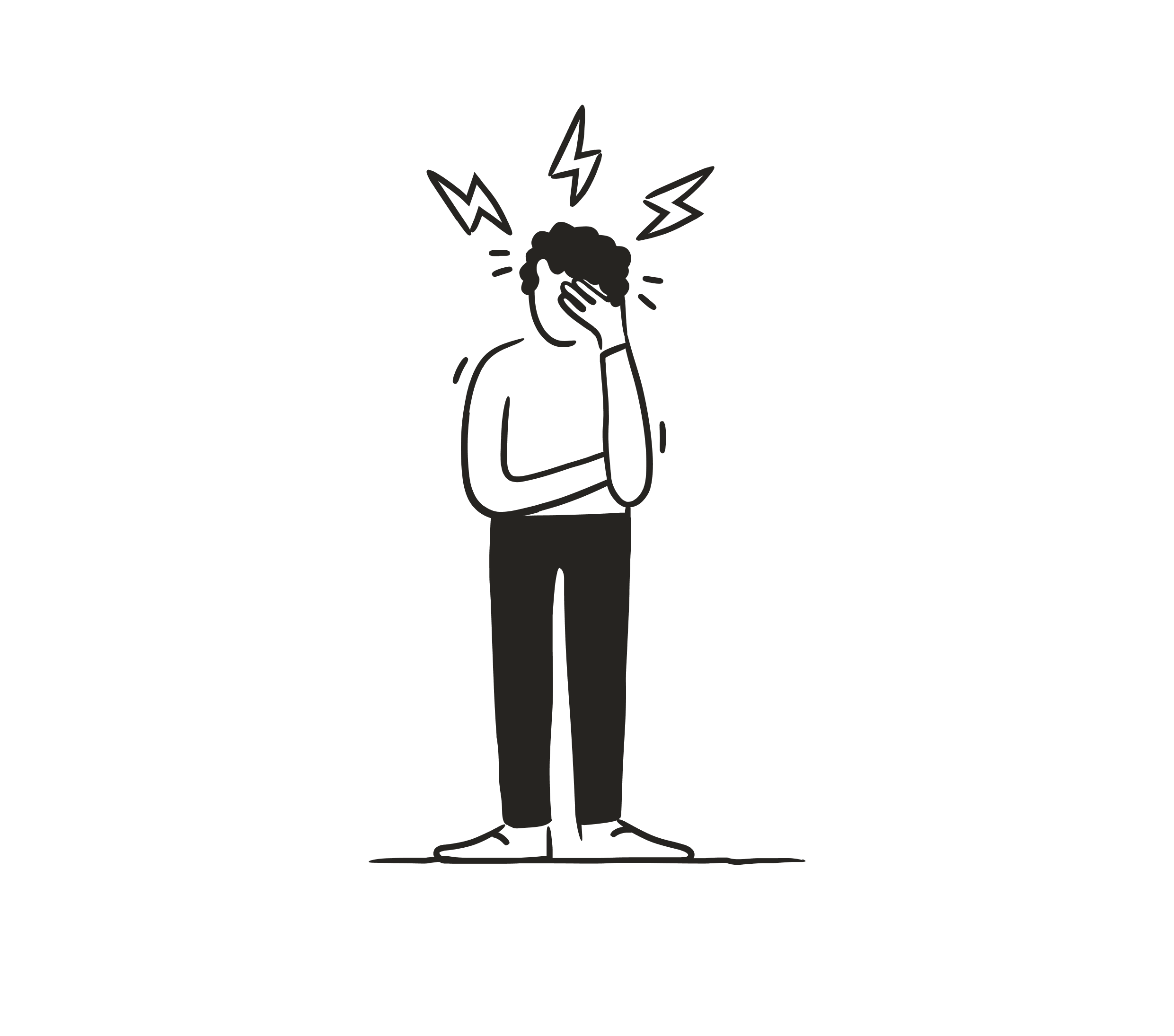
Struggling with anger issues or low self-worth?
You’re not alone.
These are often signs of underlying mental health conditions like depression or anxiety, which can be effectively treated with cognitive behavioural therapy. Our typed (text-based) CBT provides evidence-based therapy for depression and anxiety, helping you understand and treat the underlying causes of emotional difficulties.
While people often search for:
- anger management
- help with anger issues
- how to stop feeling angry
- low self-esteem treatment
- how to improve self-worth
It’s important to know that anger and low self-worth are usually symptoms and not standalone conditions.
Anger: a symptom of deeper emotional distress
If you’re experiencing frequent anger, irritability, or frustration, it could be linked to:
- Depression (a common but often overlooked sign)
- Anxiety or chronic stress
- Emotional overwhelm or burnout
Instead of standalone anger management therapy, we focus on:
- Understanding what triggers your anger
- Identifying patterns in thoughts and behaviours
- Treating underlying conditions such as depression or anxiety
When the root cause is addressed, anger often becomes easier to manage naturally.
Low self-worth: closely linked to depression
Low self-esteem, poor confidence, or feeling not good enough can look like:
- Constant self-doubt
- Negative self-talk
- Lack of confidence
- Feeling worthless or stuck
These are core symptoms of depression and anxiety disorders.
The most effective approach to help with low confidence, or low self-esteem is often to treat the underlying condition.
CBT can help:
- Identify symptoms of depression, anxiety, or stress and challenge negative thinking patterns
- Build a more balanced and realistic self-image, improving confidence and wellbeing
- Improve confidence through structured psychological techniques helping you to feel more emotionally balanced
- Better understand your reactions
You might benefit from typed cognitive behavioural therapy if you are:
- Frequently searching for how to control anger
- Struggling with low self-esteem or confidence
- Feeling persistently irritable, frustrated, or down
- Noticing an impact on work, relationships, or daily life

Things you can do to help yourself

Practicing self-care
Go easy on yourself during difficult times. Avoid judging or criticising yourself for how you are coping; treat yourself with the same compassion you would offer a friend in your situation.

Stay active
Keeping active makes you healthier in mind and body. It can also help you sleep. Get some fresh air and go for a walk to distract your mind.

Breathing exercises
Try box breathing which helps regulate your nervous system, jounraling to write down what's worrying you, or give progressive muscle relaxation a try which involves tensing and relaxing muscle groups from head to toe, one at a time.
Talk to your GP
If your feelings are impacting your daily life, work, or relationships, it is a good idea to speak with a healthcare professional. They can help you explore treatment options - including cognitive behavioural therapy, and can refer you to a specialist.
You don’t have to deal with anger or low self-worth on your own. By treating the underlying cause such as depression or anxiety, CBT can support long-term, meaningful change.
We do not offer diagnosis or treatment for anger or low self-esteem as standalone conditions. However, we do provide evidence-based treatment for depression and anxiety, where these symptoms commonly arise.

What we treat
From trouble sleeping to anxiety to depression, mental health conditions can affect many of us in different ways. Mindler clinicians treat a range of common mental health symptoms.





Where to get urgent help

Support is available if you or someone you know is having a mental health crisis or emergency, no matter what you're going through.
If you or someone you know is having a mental health crisis, you can get urgent support here
Or speak to your GP or a mental health professional. Let them know about the symptoms you’re experiencing, and they can support you with what help is available.